It’s not only the cooking that wears you down.
For a lot of women, cooking itself is already enough of a project on its own.
But underneath that is something quieter and more constant: deciding, over and over, what’s actually going to be for dinner.
What If You Only Had to Decide Once a Week?
Five to seven times a week, that same small decision lands back on your plate.
On its own it seems minor.
Stacked up over a week, it becomes a real source of mental fatigue, the kind that’s easy to overlook because nothing about it looks like hard work.
The fix isn’t thinking harder about dinner every night.
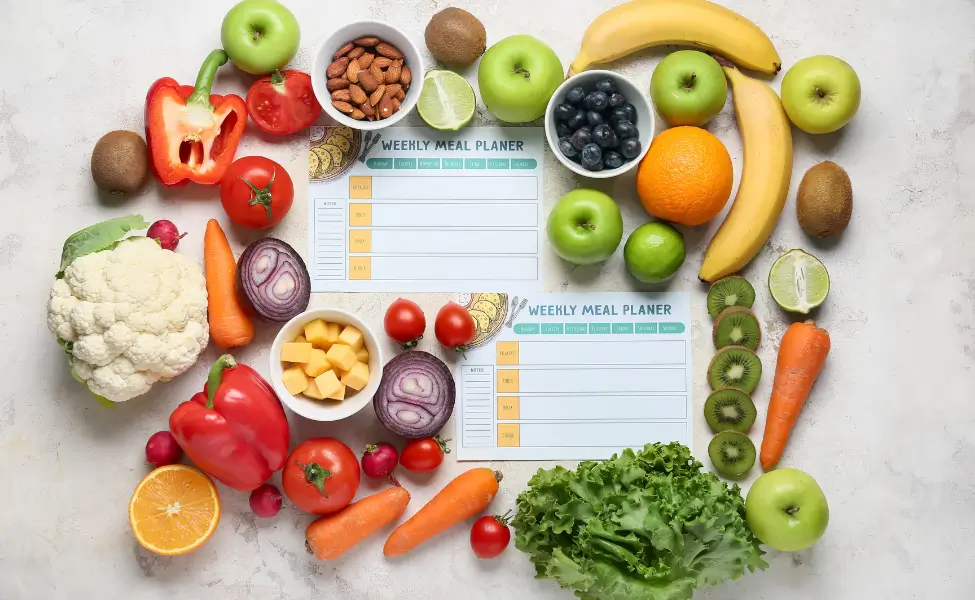
It’s building a system once a week that the rest of the week can simply lean on.
Why This Feels So Draining in the First Place
There’s a real explanation for why this particular kind of tiredness sneaks up on you.
Decision fatigue is what happens when the sheer number of small choices you make in a day wears down your mental energy, and by dinnertime, there’s often not much left.
That’s exactly why the easiest option starts to win out over the healthiest one late in the day, not because you don’t care, but because deciding itself has already cost you something.
We covered this pattern in more depth in why healthy eating feels so complicated after sixty, and meal planning turns out to be one of the most direct ways to work around it.
A Weekly System, Not a Daily Decision
Here’s the shift that actually helps: instead of deciding what’s for dinner tonight, you decide once, for the whole week, and everything after that is just execution.
1. Look for Inspiration, But Keep It Manageable
Blogs, Pinterest, cookbooks, whatever source you enjoy browsing.
Especially when you’re just getting started, keep the recipes themselves manageable.
A long list of unfamiliar ingredients adds effort you don’t need right now.
And keep an eye out for meals that genuinely make you look forward to dinner; easy doesn’t have to mean boring.
2. Plan Weekly Theme Nights
A theme night gives you a starting point instead of a blank page, and it’s especially useful when you have guests coming by.
It doesn’t have to mean less healthy either; taco night can be built around lean protein and vegetables just as easily as anything else.
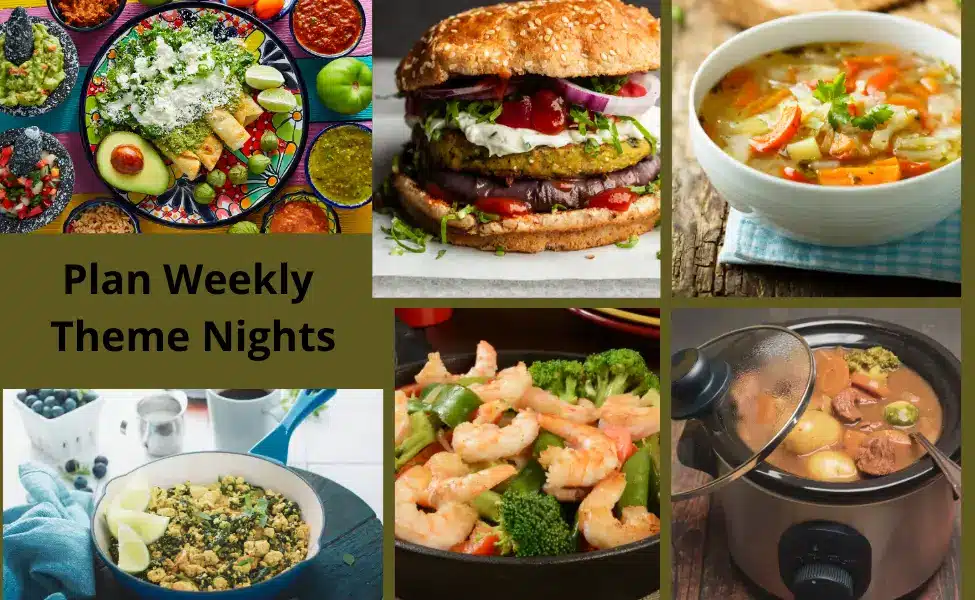
Cook a theme night with next-day lunches in mind, and the leftovers solve tomorrow’s meal before you’ve even finished tonight’s.
- Burger Night
- Mexican Night
- Stir Fry Night
- Soup Night
- Slow Cooker Sundays
- One Pot Fridays
- Breakfast for Dinner
3. Decide How Many Meals You Actually Need
Look at your week before you look at any recipes.
Eating out a couple of times, or staying home most nights?
Five dinners plus a couple of breakfasts is a common target, though some weeks, three days of cooking with planned leftovers covers just as much ground.
Once you know the number, check what else is happening those days.
A late meeting or an evening out is exactly the night to lean on the slow cooker or leftovers already waiting in the fridge.
4. Choose Recipes With Overlapping Ingredients
This is the one that saves both money and effort.
Pick meals that share ingredients you can use in a few different ways, like bell peppers, tomatoes, and spinach in both an omelet and a salad, for example.
Choose two or three proteins and prepare each a couple of different ways, rather than reinventing the wheel every night.
Variety still matters, and so does actually enjoying what’s in front of you; it just doesn’t need to be a brand-new production every single evening.
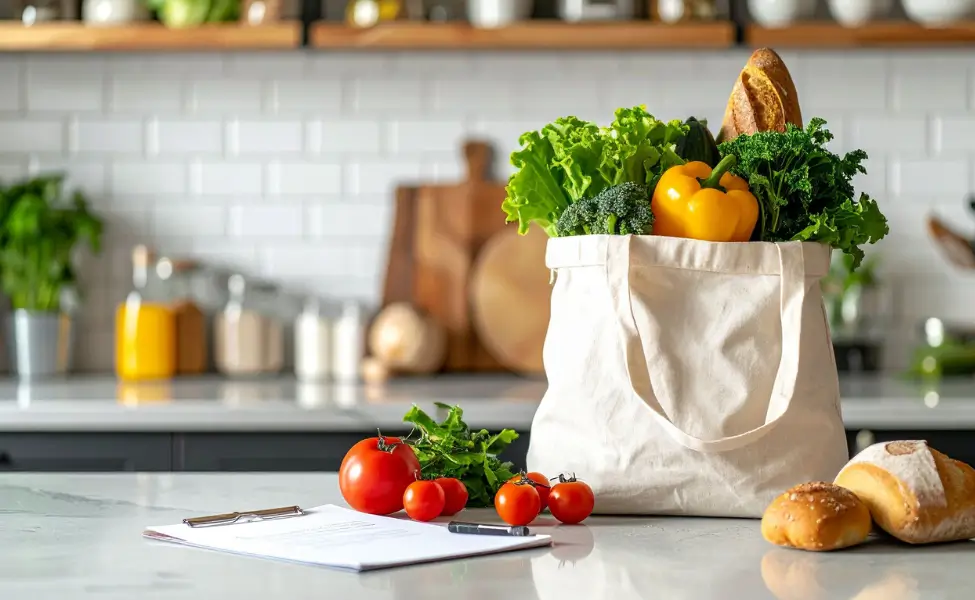
5. Pick One Fixed Shopping Day
Sunday works for a lot of people, but the right day is whichever one actually fits your week.
The point isn’t the specific day; it’s having one you can count on.
A Sample Week to Copy
Sometimes a template is more useful than a principle.
Here’s what one balanced week could look like, built entirely from the ideas above.
- Monday: Taco Tuesday, a day early, ground turkey or beans, peppers, and all the usual toppings
- Tuesday: Leftover taco filling turned into a grain bowl with rice and extra vegetables
- Wednesday: Sheet pan chicken and roasted vegetables, cooked in double batches for tomorrow
- Thursday: Slow cooker night, a soup or stew that mostly cooks itself
- Friday: One pot pasta with whatever vegetables need using up
- Saturday: Pizza night, homemade or takeout, no cooking required
- Sunday: Prep day, wash and chop vegetables, cook a batch of grains, plan next week’s shopping list
Batch Cooking and What’s Worth Freezing
Doubling a recipe costs you almost nothing extra in time, but it buys you an entire no-cook night later in the week.
Soups, stews, chili, meatballs, and cooked grains all freeze well and reheat without losing much.
Salads, anything with raw vegetables, and most dairy-based sauces don’t hold up nearly as well, so it’s worth being selective rather than freezing everything on principle.
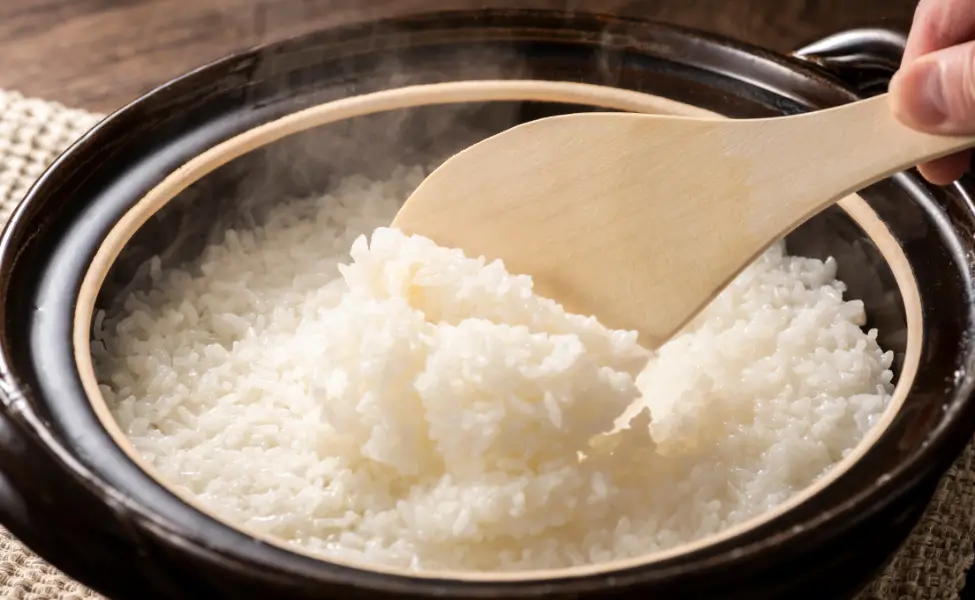
A simple habit worth building: whenever you’re already cooking rice, beans, or shredded chicken, make double.
In the future, you get a head start on a meal that’s otherwise done.
Common Meal Planning Mistakes Worth Avoiding
- Starting with recipes that have long, unfamiliar ingredient lists before you’ve built the habit
- Planning a week that ignores your actual schedule, especially the busiest evenings
- Trying to buy everything for the whole week in one trip, with no room for a change of plans
- Forgetting that a meal also needs to be enjoyable, not just nutritionally sound
Healthy and Enjoyable Aren’t Competing Goals
It’s worth naming directly: a meal that nourishes you and a meal you genuinely look forward to eating aren’t opposites.
The best weekly plans leave room for both.
Healthy doesn’t have to mean joyless, and a system that only works if you white-knuckle your way through it isn’t one you’ll keep.
If you’d like a shortcut past all of this, the 7 pantry staples worth always having on hand pair well with everything above and make last-minute changes to the week far less stressful.
Let’s Talk
What’s your biggest obstacle with meal planning, running out of inspiration, not having enough time, or just the puzzle of keeping everyone happy?
I’d genuinely love to know.