A reader wrote to me recently with something that stuck with me.
She said cooking for herself is the hardest part of eating well and that finding the motivation after a workday is hard too.
I recognized it immediately, and I know I’m not the only one.
Perhaps you’ve lived alone for years.
Your partner might be away or simply prefers something different at dinner.
Or the kids have moved out, or you’ve recently found yourself on your own.
Whatever the reason, the result is the same: you’re cooking for one, and that feels different from cooking for a full table.
I know this from my own life.
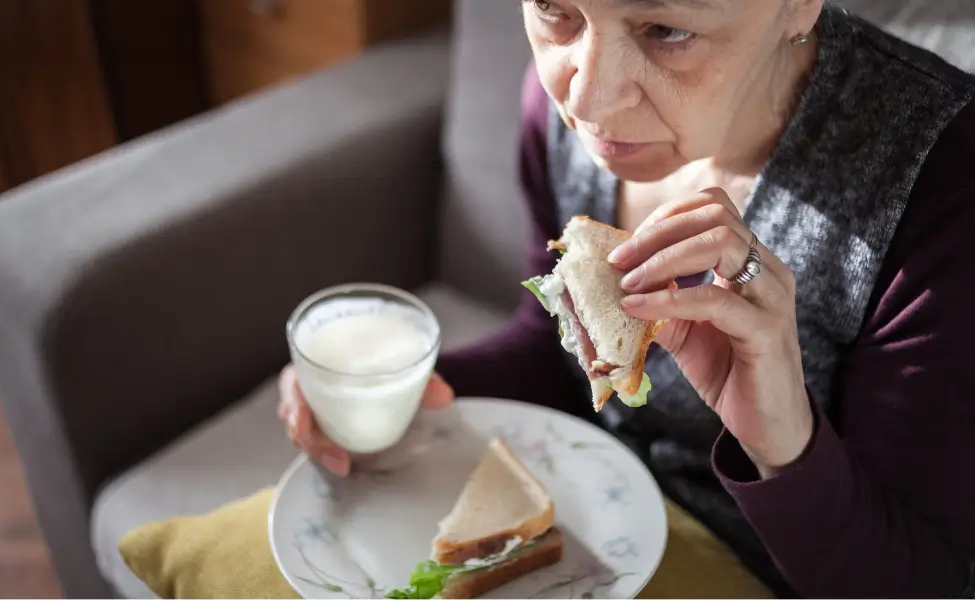
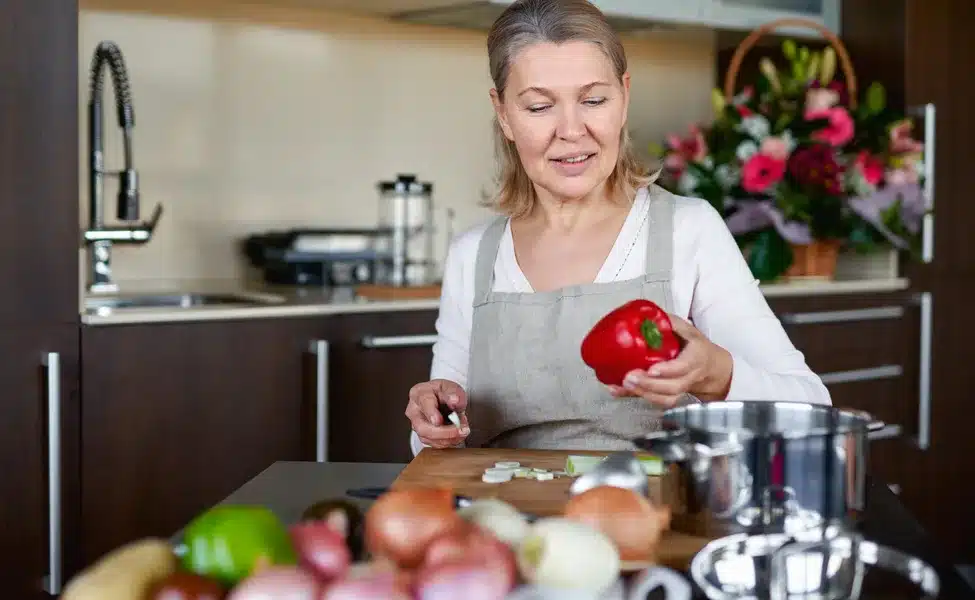
For fifteen years, after my children moved out, I cooked only for myself.
And I’ll be honest: for much of that time, I gave my own meals very little attention.
Something quick, something easy, and then on with the rest of the evening.
As if my own plate mattered less than it would if someone else were sitting across from me.
Because cooking for one isn’t simply a matter of halving a recipe.
There’s no one at the table to say, “This turned out well.”
There’s no reason to make the extra effort you’d make for a guest.
And after a long day, it’s tempting to just grab crackers and cheese, eaten standing at the counter.
And yet, especially when you’re eating alone, you deserve a real meal.
Not because you have to, but because you’re worth it.
Why cooking for one feels different
- No one else there to enjoy it with you
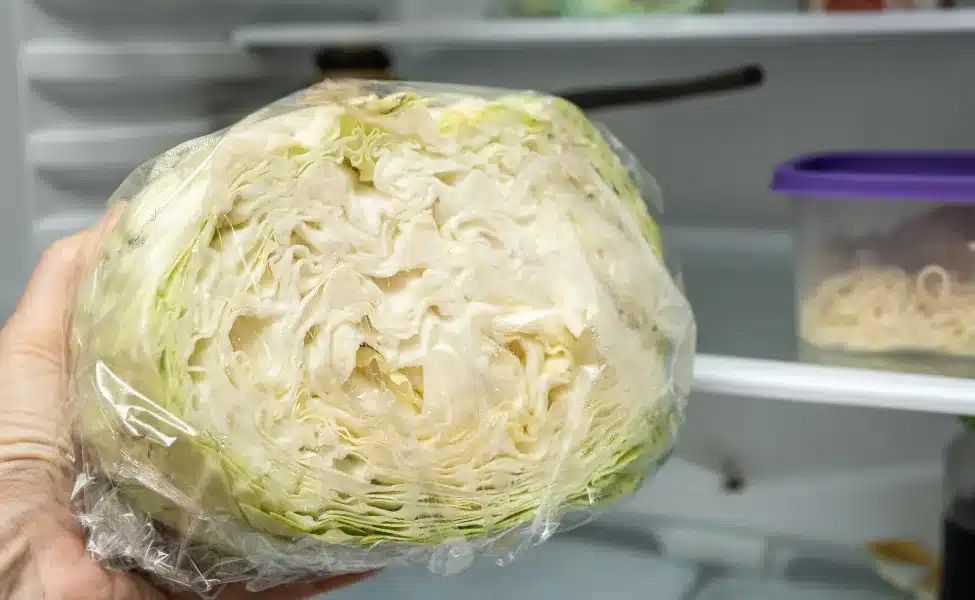
- Large packages that end up in the bin three days later
- The gap between “grab something easy” and “cook a proper meal” feels bigger after a long day
- Recipes are usually written for four people, turning every meal into a math problem
What actually helps (practical, no complicated tricks)
1. Cook once, eat twice.
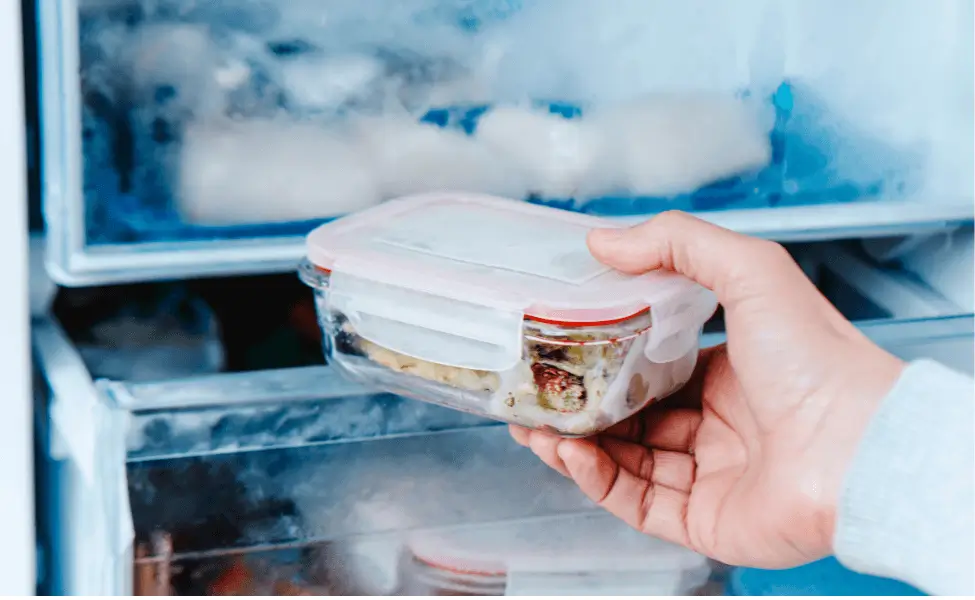
Make a double portion on purpose, and freeze the rest or save it for tomorrow.
That way, “cooking for myself” is really only half the effort, half the time.
2. Choose dishes that naturally scale down to one.
Think of an egg scramble with spinach, or a simple bean salad.
No separate calculations needed, just a handful of this, a spoonful of that.
3. Keep a few “formula meals” in your back pocket.
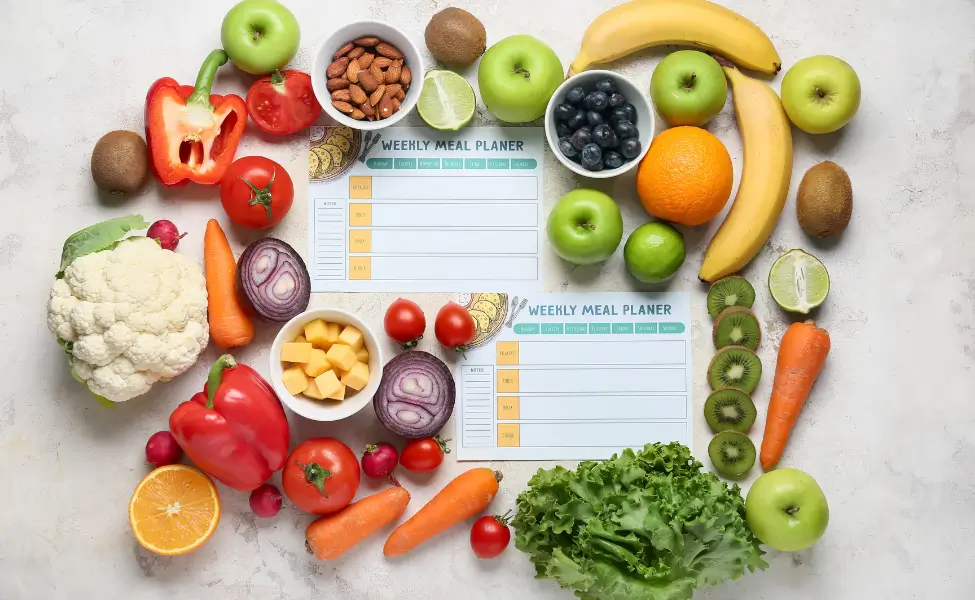
Protein plus vegetables plus a healthy fat plus a whole-grain carb.
That formula works just as well for one plate as it does for four.
4. Let yesterday’s lunch become today’s dinner.
Leftovers aren’t a lesser option; they’re a gift to your future, tired-at-the-end-of-the-day self.
5. Eat mindfully, even alone.
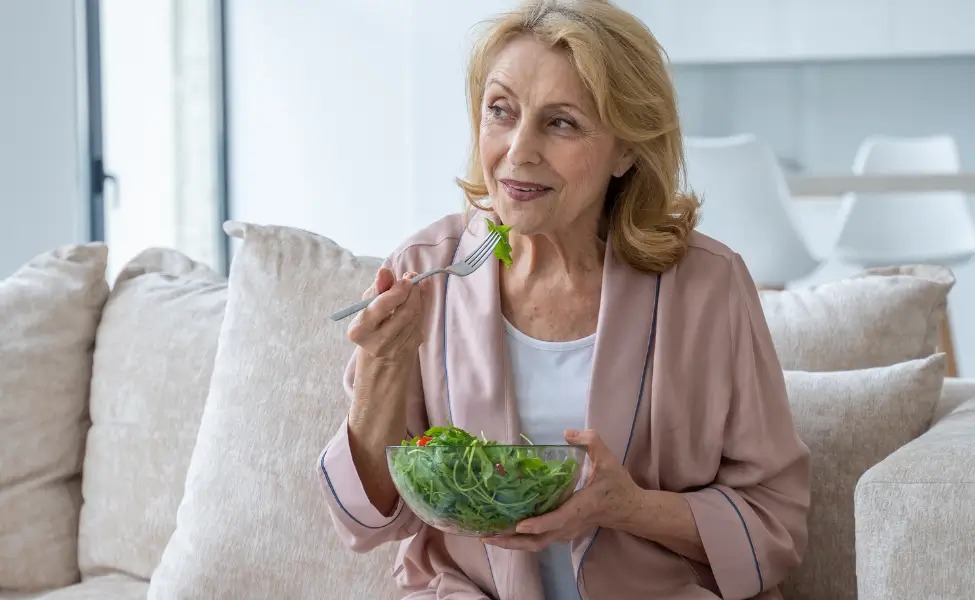
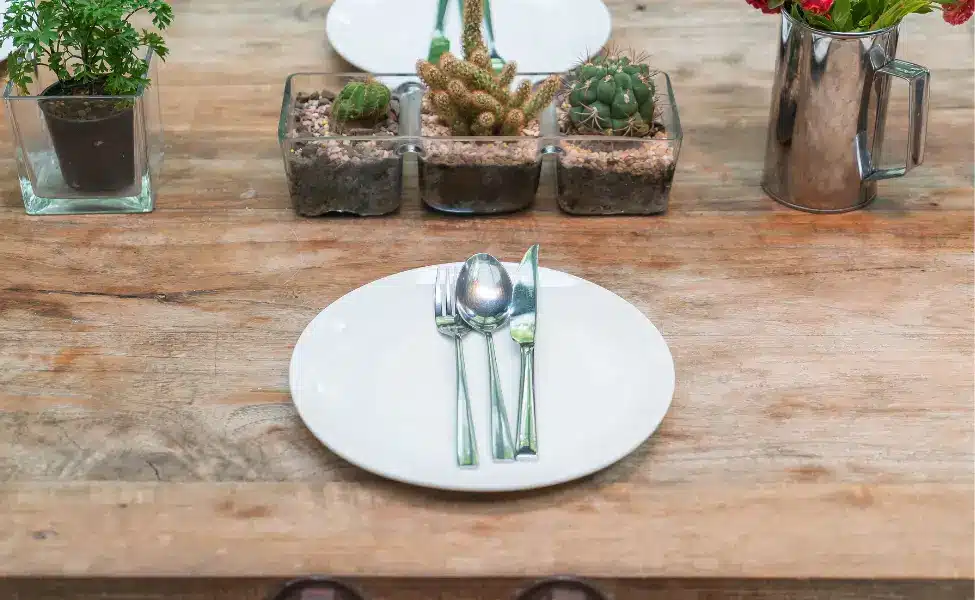
Put the phone away and set the table properly, even if it’s just for one.
The plate looks the same, but the feeling changes.
A different skill, not a smaller version
Cooking for yourself isn’t a smaller version of cooking for a family.
It’s a different skill, with its own challenges, and it’s okay if it sometimes feels heavy; I know that from fifteen years of my own experience.
But with a few simple habits, it can feel like a small act of self-care instead of an obligation.
And if tonight you don’t feel like figuring out what to make, my free Pantry Meal Formula was made for exactly these evenings.
Do you have your own tips for cooking, or simply for taking care of yourself when you’re on your own? I’d love to gather more ideas like this for future articles, so send me a message or reply to my next newsletter.