I still remember buying a pot of basil at the supermarket years ago.
Beautiful, green, and full.
A week later it was yellow and limp.
Thrown away.
Another pot. Same story.
Until I realized that those supermarket plants were never meant to last.
They’re grown to look good on the shelf, not to thrive in your home.
And that’s exactly when I decided to do things differently.
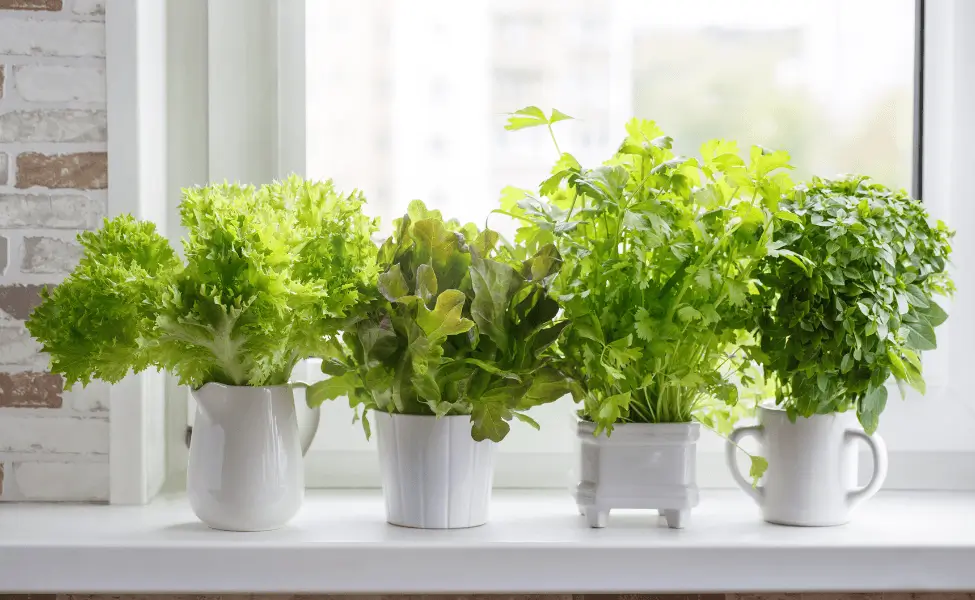
Since then, there’s always been something green on my windowsill.
Basil, chives, parsley, and mint.
No fuss, no special knowledge required.
Just a few pots, some soil, a sunny spot, and the joy of grabbing fresh herbs while you cook.
And for us women who are mindful about what we eat?
This is no luxury.
It’s actually one of the simplest, most accessible steps you can take towards eating better every day.
Why Fresh Herbs Matter More Than You Think
Dried herbs are fine.
But fresh is genuinely different.
The flavor is more intense, the aroma fills the kitchen immediately, and you naturally use less salt because there’s already so much taste in the dish.
That last point matters more than it might seem.
Many women over 50 or 60 find that their blood pressure deserves a bit more attention, and using less salt while getting more flavor is a lovely solution.
The American Heart Association recommends keeping daily sodium intake to no more than 1,500 mg for most adults, and fresh herbs are one of the most enjoyable ways to add flavour without reaching for the salt shaker
Mediterranean cooking is built on exactly this principle: fresh herbs at the heart of every dish, instead of ready-made sauces or extra salt.
Fresh herbs also contain antioxidants, vitamins, and anti-inflammatory compounds.
Parsley is exceptionally rich in vitamin K, just half a cup provides over 500% of your daily recommended intake, as well as vitamin C and folate.
Basil contains essential oils such as eugenol and linalool that have well-documented anti-inflammatory properties.
Mint supports digestion; research shows it helps relax the muscles of the digestive tract, easing bloating and discomfort.
Chives are a good source of vitamin K and folate.
Small amounts, yes, but a little extra goodness every day adds up beautifully.
The Best Herbs for Beginners on the Windowsill
Not all herbs are equally easy to grow indoors.
Start small; start with what works.
These are the four herbs I use most myself, and they really don’t ask much of you:
Basil, the Mediterranean Classic
Basil is the star of the Mediterranean kitchen.
On a caprese salad, stirred into tomato sauce, scattered over grilled vegetables, or blended into homemade pesto, it makes everything feel just a little more special.
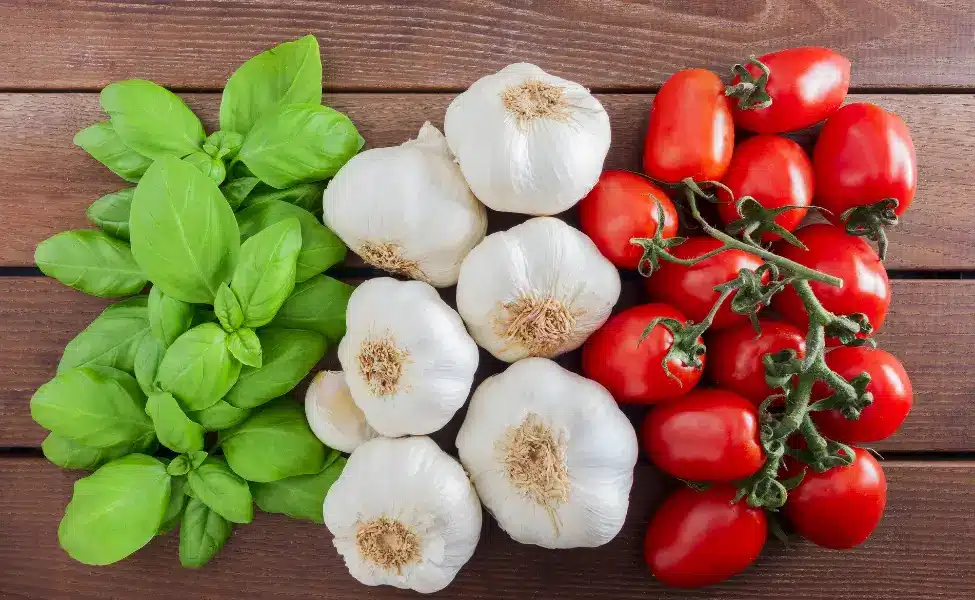
Place it in the sunniest spot you have.
At least six hours of light per day.
The soil should never dry out completely, but the roots can’t sit in water either (always empty the saucer after watering).
Pinch off the tops regularly; this keeps the plant bushy rather than tall and leggy.
Tip: buy a larger plant and divide it into two or three sections.
Repotted in fresh soil, they recover quickly, and you end up with multiple plants for the price of one.
Parsley, the Quiet Powerhouse
Parsley might be the most underestimated herb there is.
Chopped finely over grilled fish, stirred into a tabbouleh, or simply scattered over your morning eggs, it instantly adds color and freshness to any plate.
It also grows well with less sun than basil, which is handy if you don’t have a south-facing windowsill.
Do use a deep pot, because parsley develops a long taproot.
The more you snip, the more it grows back.
Chives: Fast, Easy, Versatile
Chives are truly the easiest herb to grow indoors.
They grow back quickly after cutting, need relatively little light, and ask for very little attention.
Sprinkled on an omelette, over a potato salad, or stirred into a yogurt dip with a squeeze of lemon, chives go with almost anything.
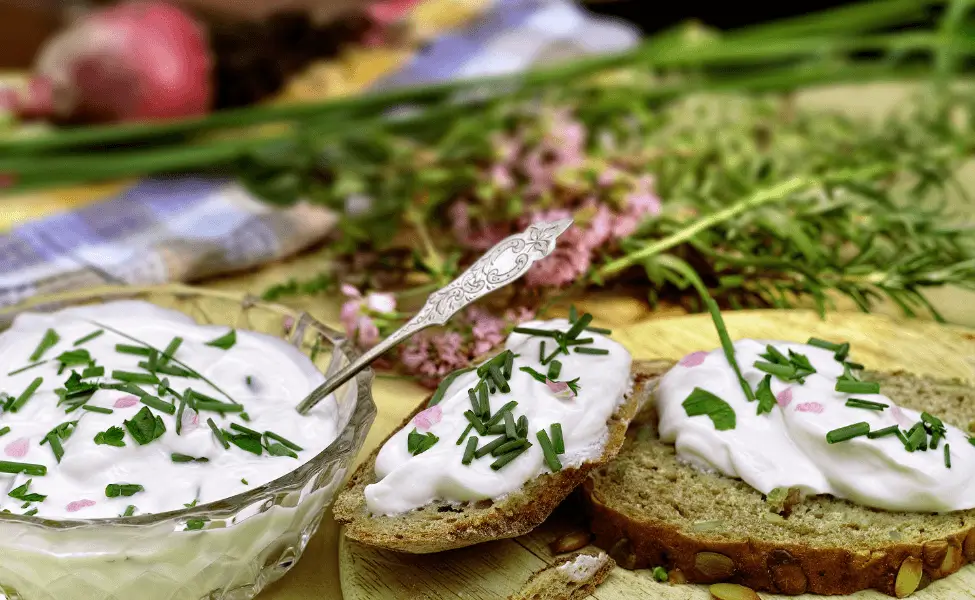
In spring, they also produce beautiful little purple flowers that are edible and look stunning on a plate.
Mint, for Tea, Water, and Desserts
Mint is a bit of a force of nature.
It grows vigorously, which is why you should always give it its own pot; otherwise, it takes over everything nearby.
Half-shade is fine, and it loves moist soil.
A sprig of fresh mint in a glass of water, a handful of leaves through a fruit salad, or a cup of fresh mint tea in the evening.
These are small pleasures that make the day a little nicer.
And mint has a well-documented positive effect on digestion, which is welcome news if that’s something you’re mindful of.
What You Need, and What You Don’t
You really don’t need green fingers.
What you do need:
Pots with drainage holes. Without drainage, water collects at the bottom, and the roots rot. Always choose a pot that’s slightly larger than the plant, and make sure it has holes in the base. As for material, it actually depends on the herb. Plastic pots are best for herbs that like consistently moist soil, like mint, basil, and parsley. Terracotta pots work better for herbs that prefer drier conditions, like rosemary and thyme. Terracotta absorbs excess moisture, which helps prevent root rot for these more drought-tolerant varieties. Both work perfectly well; just match the pot to the plant.
Good potting soil. Herbs like light, well-draining soil. Don’t use garden soil or general compost; choose a specific potting mix or herb compost.
Light. Most herbs want a bright spot. Only have a north-facing windowsill? Consider a small LED grow light; they’re very affordable these days and work surprisingly well.
Regular harvesting. This might sound counterintuitive, but the more you harvest, the better the plant grows. Cutting stimulates new growth.
Don’t wait until you desperately need the herb; snip a little regularly, even if you don’t use it all straight away.
The Most Common Mistakes (and How to Avoid Them)
Overwatering. This is by far the most common mistake. Herbs like moist soil, not wet soil. Stick your finger into the soil; if the top centimeter still feels damp, wait before watering again.
Too dark a spot. Even herbs that tolerate partial shade still need a few hours of light each day. A corner at the back of the kitchen simply won’t work.
Never harvesting. Many people wait too long to cut because they don’t want to “damage” the plant. But regular cutting is exactly what keeps a herb plant vital and compact.
Not repotting the supermarket plant. Those little plants are often wildly overcrowded, sometimes ten seedlings crammed into one tiny pot. They compete with each other and exhaust themselves quickly. If you buy a supermarket herb plant, divide it into smaller sections and repot them in fresh soil.
From Windowsill to Plate, How to Use Them
Add fresh herbs to hot dishes at the last moment; that’s when the flavor and aroma are at their best.
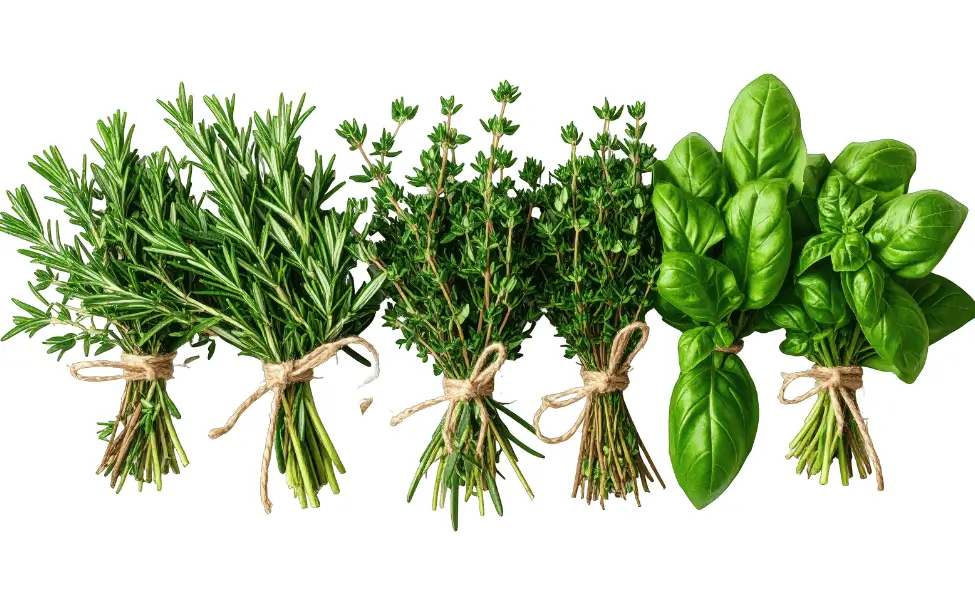
Harder herbs like rosemary and thyme are the exception; they can cook for longer without losing their character.
A few ideas that fit beautifully with Mediterranean eating:
- Pesto made with fresh basil, olive oil, pine nuts, and parmesan over whole-grain pasta or as a dip
- Tabbouleh with parsley, bulgur, tomato, cucumber, and lemon, a complete meal salad full of protein and fibre
- Tzatziki with fresh mint or dill, Greek yoghurt, and cucumber, lovely as a snack or alongside grilled meat or fish
- Herb omelette with chives and parsley: quick, protein-rich, and satisfying
- A jug of water with mint and lemon on the kitchen table; you’ll drink more without even thinking about it
A Small Habit with a Big Impact
You don’t need to make this a big project.
Start with one pot of basil on your sunniest windowsill.
Or a small pot of chives next to the hob.
See what happens when you give a little daily attention to something that grows.
There’s something calming about caring for a plant.
And there’s something deeply satisfying about snipping a leaf and dropping it straight into your dish.
Fresh, homegrown, intentional.
That, to me, is exactly what healthy living looks like.
Not perfect, not complicated. But conscious and with joy.
Want to read more?
- The Mediterranean Meal Planner — healthy meals with fresh ingredients, every week
- Article: More Energy Through Better Food Choices