
What you eat during the day can affect how well you sleep at night.
Foods that provide magnesium, tryptophan, complex carbohydrates, omega-3 fats, and natural plant compounds may support calmer evenings and steadier sleep.
They are not a cure for insomnia, but they can be a helpful part of a gentle sleep routine.
If your sleep has changed after sixty, you are certainly not alone.
Many people find it harder to fall asleep, wake more often, or wake earlier than they would like.
I noticed this myself when I moved towards a more Mediterranean way of eating.
The extra energy during the day was one thing.
Sleeping more deeply and waking up feeling calmer was the part that really surprised me.
That does not mean one food will fix every sleep problem.
It means your evening meal, your snacks, and what you drink later in the day can make sleep easier or harder.
Key Points in Brief
| Helpful choice | Why it may support sleep | Easy way to use it |
| Pumpkin seeds | Rich in magnesium and also provide tryptophan | Sprinkle over salad, soup, or yogurt. |
| Oats | Provide complex carbohydrates and minerals | Try a small warm bowl in the evening |
| Tart cherries | Contain natural melatonin compounds | Choose unsweetened juice or a small portion of dried tart cherries |
| Kiwi | Small studies suggest it may support sleep quality | Eat one or two as a light evening snack |
| Fatty fish | Provides omega-3 fats, vitamin D and protein | Eat salmon, sardines or mackerel once or twice a week |
| Leafy greens | Provide magnesium and other plant nutrients | Add cooked spinach to dinner |
| Nuts | Provide magnesium, healthy fats and plant protein | Choose a small handful, not a large bowl |
| Chamomile tea | Caffeine-free and calming as part of a routine | Drink one cup during your wind-down time |
How Food Can Affect Sleep
Sleep is guided by your body clock, hormones, brain chemicals, light exposure, stress levels, and daily habits.
Food is only one part of that picture, but it is a part you can gently improve.
Tryptophan is an amino acid found in foods such as eggs, fish, seeds, dairy, oats, and poultry. Your body uses tryptophan to help make serotonin and melatonin, which are involved in mood, relaxation, and sleep timing.
Magnesium helps normal muscle and nerve function. Foods such as pumpkin seeds, cooked spinach, almonds, cashews, beans, and whole grains can help you get more magnesium from your meals.
Complex carbohydrates can also help because they make tryptophan more available to the brain. This is one reason a small bowl of oats can feel more settling than a sugary snack.
The important word is “support.” Food can support better sleep, but it works best alongside regular bedtimes, morning daylight, movement during the day, and a calmer evening routine.
The Best Foods for Better Sleep After Sixty
Tart Cherries
Tart cherries, also called sour cherries or Montmorency cherries, are one of the more interesting foods for sleep because they contain natural melatonin compounds.
Small studies suggest tart cherry juice may help some people sleep a little longer or better, especially those who already struggle with sleep. It is not a sleeping pill, but it can be worth trying if you enjoy the taste.
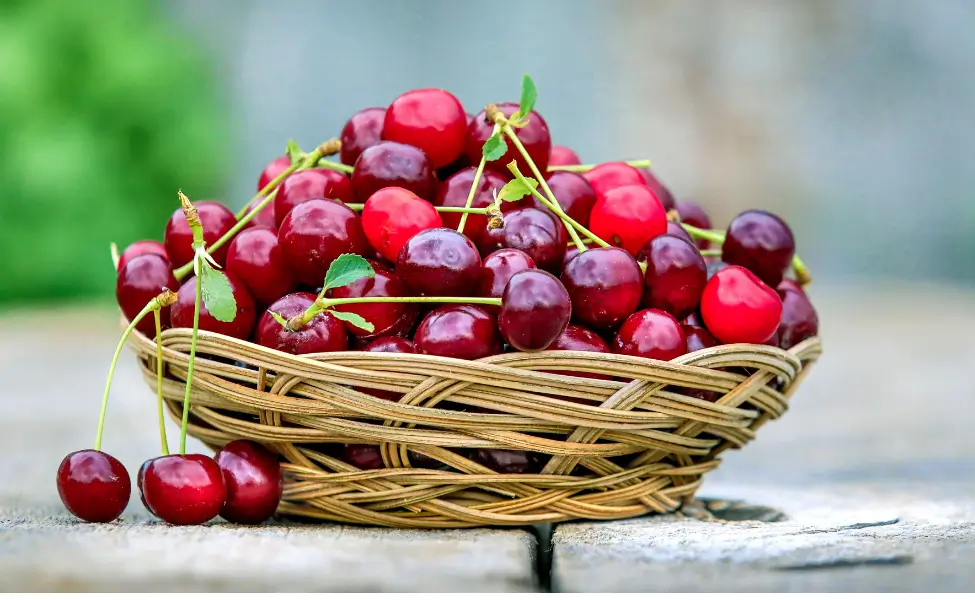
Choose unsweetened tart cherry juice where possible. If you are watching your blood sugar, use a small portion and avoid drinking a large glass close to bedtime.
Pumpkin Seeds
Pumpkin seeds are one of the easiest sleep-friendly foods to add to your day. One ounce of roasted pumpkin seeds provides a high amount of magnesium, and they also contain tryptophan.
I like this kind of habit because it takes almost no effort. Sprinkle pumpkin seeds over soup, salad, porridge, or yogurt, or keep a small jar in the kitchen for a quick handful.
A small portion is enough. Seeds are healthy, but they are also energy-dense.
Oats
Oats are a gentle evening option because they combine complex carbohydrates with minerals and a little protein. A small warm bowl can feel comforting without being too heavy.
This can be especially helpful if you tend to reach for biscuits or chocolate in the evening. Oats give you something warm and satisfying without the same sugar rush.
Try oats with milk or unsweetened plant milk, cinnamon, a few chopped walnuts, and sliced banana.
Fatty Fish
Fatty fish such as salmon, mackerel, sardines, and trout provide protein, omega-3 fats, and vitamin D. These nutrients are linked with general health, and a Mediterranean-style eating pattern that includes fish has also been associated with better sleep quality.
You do not need to eat fish every day. One or two fish meals a week is a realistic place to start for many people.
If fish feels expensive, canned sardines or mackerel can be a simple option.
Cooked Spinach and Other Leafy Greens
Cooked spinach is a useful source of magnesium. Leafy greens also fit beautifully into a Mediterranean-style plate with olive oil, garlic, herbs, beans, fish, or eggs.
The easiest way is not complicated. Add a handful of spinach to soup, stir it into an omelette, or sauté it gently with olive oil and garlic.
If raw salad feels less appealing in the evening, cooked greens may feel warmer and easier to digest.
Nuts
Almonds, walnuts, cashews, and pistachios all bring something useful to the table. They provide minerals, healthy fats, and plant protein, and they make a simple alternative to sweet evening snacks.
Walnuts are especially useful in a Mediterranean-style diet because they contain plant-based omega-3 fats.
Keep the portion small. A closed handful is usually enough for an evening snack.
Bananas
Bananas provide carbohydrates, potassium, and some magnesium. They are easy to digest for many people and can be helpful when you want something light and naturally sweet.
Try banana slices with plain yogurt or half a banana with a spoonful of nut butter.
Eggs
Eggs provide protein and tryptophan, and they are easy to use in a simple evening meal. An omelette with spinach, mushrooms, and a little feta can be a light Mediterranean-style dinner.
Protein at dinner can also help you feel satisfied, which may reduce late-night snacking.
Kiwi
Kiwi is a small fruit with interesting sleep research behind it. Some studies suggest eating kiwi before bed may help people fall asleep more easily or improve sleep quality.
It is also light, fresh, and easy. One or two kiwis after dinner can be a better choice than a sweet dessert if you are trying to sleep more calmly.
Chamomile Tea
Chamomile tea is caffeine-free and can be useful as part of a wind-down routine. The warmth, the smell, and the pause itself all help signal that the day is slowing down.
You do not need to expect miracles from one cup of tea. The benefit is often in the repeated evening ritual.
What to Avoid Before Bed
Just as important as what you add is what you leave out, especially in the last hours before bed.
Caffeine
Caffeine is found in coffee, black tea, green tea, cola, energy drinks, and chocolate. Some people can drink coffee after lunch and sleep well. Others feel the effect for many hours.
If your sleep is light, try keeping caffeine to the morning for two weeks and see what changes. This is a simple experiment, not a lifelong rule.
Alcohol
Alcohol may make you feel sleepy at first, but it can disturb sleep later in the night. Many people wake more often, feel warmer, or sleep less deeply after an evening drink.
If you enjoy wine, notice the timing and the amount. Your own sleep the next morning will often tell you more than any rule.
Sugary Evening Snacks
A sweet snack can feel comforting, but it may also make your evening eating less steady. If you often wake up tired or hungry, try replacing biscuits or sweets with yogurt, oats, fruit, or a small handful of nuts.
This is not about being perfect. It is about choosing the option that helps tomorrow morning feel better.
Heavy, Spicy or Acidic Meals
Large late meals can make sleep harder, especially if you are prone to reflux or indigestion. Spicy, fatty, or very acidic foods can also cause discomfort when you lie down.
If this sounds familiar, try eating your main meal earlier and keeping the evening snack small and gentle.
A Simple Sleep-Friendly Evening Plate
A sleep-friendly dinner does not need special recipes.
Think of a plate with vegetables, protein, healthy fat, and slow carbohydrates.
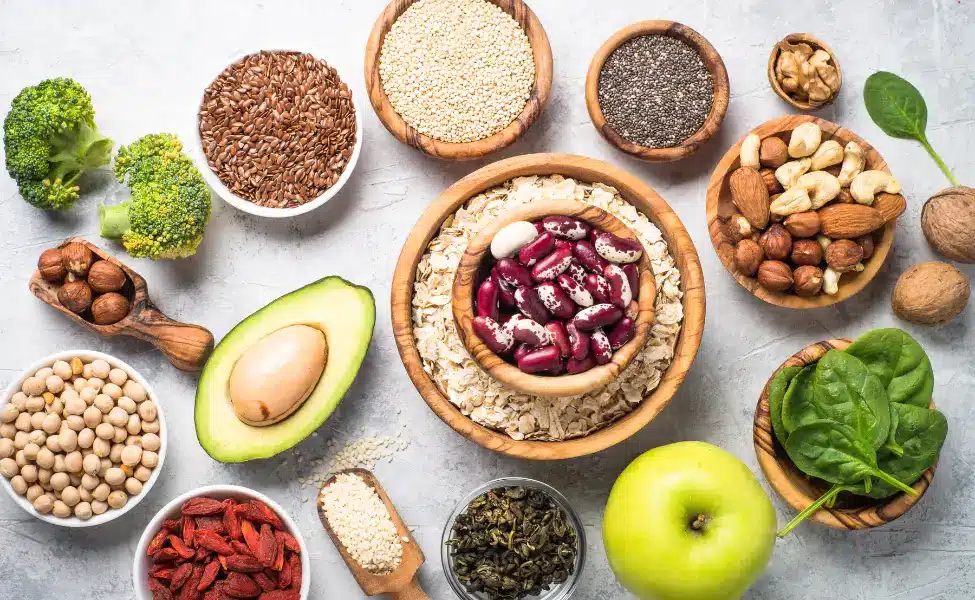
A good example would be salmon with roasted vegetables and a small portion of brown rice.
Another would be an omelette with spinach and mushrooms, served with wholegrain toast.
A bowl of lentil soup with olive oil and a few pumpkin seeds can work just as well.
The goal is not to chase one magic ingredient.
The goal is to build a way of eating that keeps your energy steadier during the day and your evenings calmer.
When Food Is Not Enough
If you often cannot sleep, wake gasping, snore heavily, feel very sleepy during the day, or rely on alcohol or tablets to sleep, it is wise to speak with a healthcare professional.
Food can support sleep, but it cannot diagnose or treat sleep apnea, chronic insomnia, pain, anxiety, or medication side effects.
Also be careful with supplements, especially if you take medication.
This article is about food choices, not sleep pills or supplement routines.
Start Small This Week
Choose one or two sleep-friendly changes this week.
Add pumpkin seeds to lunch. Drink chamomile tea during your evening wind-down.
Eat salmon instead of chicken once this week. Try kiwi after dinner instead of a sweet dessert.
Small habits, repeated often, are where real change begins.
Want to make sleep-friendly eating easier during the week? Take a look at my meal plan and discover how simple Mediterranean-style meals can help you bring more nourishing, energy-supporting foods into your daily routine.