
You feel fine on paper.
Your doctor says your numbers look good.
But in real life, you are tired in a way that a good night’s sleep does not seem to fix.
Your energy is not what it was, your body feels like it belongs to someone else some days, and you cannot quite put your finger on why.
That feeling sent me down a path of paying closer attention to what my body actually needed, rather than the complicated programmes I had been ignoring for years.
One thing I kept coming back to was vitamin D.
Most of us have heard of it; most of us assume we get enough from being outside, and most of us are probably wrong about that, especially after sixty.
Why Going Outside Is No Longer Enough
We grew up hearing that sunshine gives you all the vitamin D you need.
The problem is that your skin stops processing sunlight the way it used to.
Research shows that vitamin D production in the skin decreases by roughly 13 percent with every decade of life.
By the time you reach seventy, your skin produces approximately half the vitamin D it made when you were twenty, even with the same amount of sun exposure.
Add to that the reality of winter in most parts of the US. From around October through March, the sun sits too low in the sky for UVB rays to reach your skin at a useful angle.
Even on a clear spring day, stepping outside for a walk does not trigger vitamin D production.
You can be doing everything right, getting fresh air, moving your body, enjoying the daylight, and still coming up short on this one specific nutrient.
That is not a personal failing.
It is just biology, and it is worth knowing. For a full breakdown of how much vitamin D you actually need at this stage, the NIH has a clear and readable summary worth bookmarking.
What Vitamin D Actually Does for You at This Stage
It is easy to dismiss a vitamin as something you only need when something is wrong.
For women over sixty, vitamin D is not about fixing a problem.
It is about keeping the foundation solid.
Its most well-known job is helping your body absorb calcium from food.
Without adequate vitamin D, your body absorbs only around 10 to 15 percent of the calcium you eat.
With sufficient levels, that figure rises to 30 to 40 percent.
Your bones and teeth are the most visible beneficiaries of that difference, and maintaining bone density becomes more relevant with every passing year.
Less talked about is what vitamin D does for your muscles and your sense of stability on your feet.
Vitamin D deficiency in older women is clearly linked to reduced lower limb muscle strength and a higher risk of falls.
If you have noticed your strength and balance feeling less reliable than they used to, this article on what actually happens to your muscles after sixty explains the bigger picture behind that shift.
Correcting a deficiency does not make you athletic.
It makes you feel like yourself again, which is really what most of us are after.
If low energy has been your main frustration, this piece on building energy after sixty covers several of the quiet factors that tend to get overlooked.
Where to Find It in Food
Because sunlight cannot do all the work anymore, what you eat takes on more importance.
The good news is that a Mediterranean-style approach to eating naturally leans toward the foods that help most.
Fatty fish are the strongest natural source available.
Salmon, trout, mackerel, and tuna all deliver meaningful amounts, and eating them two or three times a week is one of the most practical ways to support your levels without thinking too hard about it.
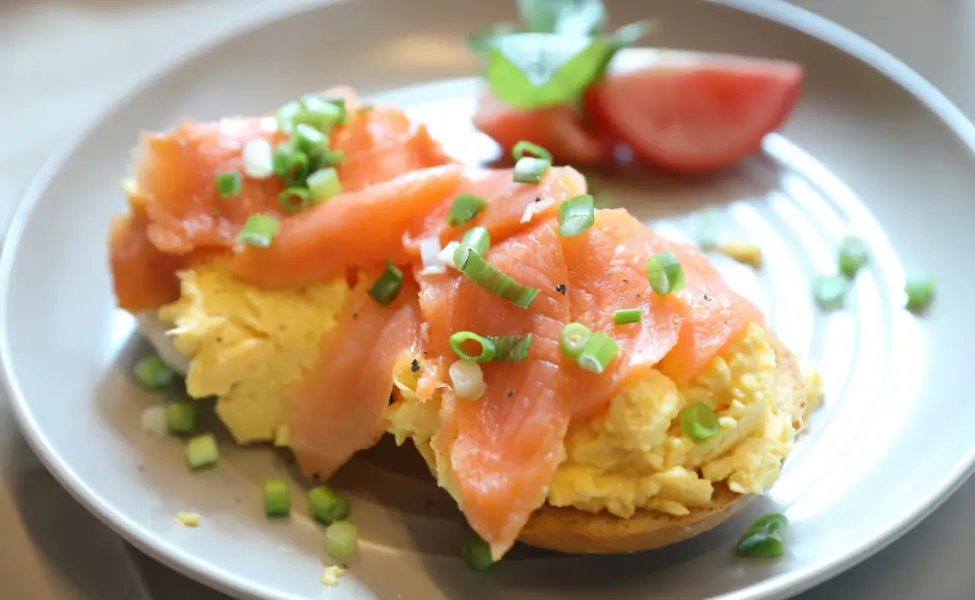
Eggs contribute a smaller amount and add up over time.
Fortified foods fill in the gaps in a real way for most American women.
Nearly all milk sold in the US is fortified with vitamin D, delivering around 120 IU per cup.
Many plant-based alternatives, including soy, oat, and almond milk, are fortified to similar levels.
Some brands of orange juice, yogurt, and breakfast cereals also carry added vitamin D, so checking the nutrition label on your regular staples is worth a few seconds of your time.
If you prefer a plant-based approach, look for foods fortified with vitamin D.
Most supplements and fortified foods use D3, which research suggests raises blood levels more effectively than D2, particularly at higher doses.
If you follow a fully plant-based diet, D2 supplements are available and still beneficial, just potentially slower acting.
If you want to build a kitchen that supports this kind of eating without overcomplicating things, these seven pantry staples are a good place to start.
Three Simple Meal Ideas That Work
You do not need to rebuild your kitchen around this.
Small, consistent choices are the ones that actually hold.
A bright morning bowl. Blend a handful of blueberries, a quarter of a banana, and a couple of dates into a thick spread. Serve it over a slice of good sourdough with a little fortified butter or a drizzle of nut butter, topped with fresh strawberries and a sprinkle of granola. Sweet, quick, and sets up the day well.
A quick and satisfying lunch. Whole grain bread, a generous portion of canned salmon or tuna, some sliced cucumber, and a handful of fresh greens. Simple, filling, and genuinely good for you without requiring any effort. The kind of lunch that leaves you feeling steady rather than sluggish.
A warm evening meal. Salmon or chicken with roasted vegetables, a handful of potatoes, and whatever herbs you have on hand. A little garlic, some lemon, and a pinch of chili if you like warmth. Comforting without being heavy, and naturally rich in the nutrients that support your energy.
What to Know About Supplements
Even with a good diet and regular time outside, most women over sixty do not reach optimal vitamin D levels through food and sun alone.
This is not a reflection of how well you are eating.
It is a reflection of how your body works at this stage.
The NIH recommends 600 IU per day for women up to age seventy and 800 IU for women over seventy.
Many experts who work specifically with older adults suggest that 1,000 to 2,000 IU daily is a more realistic target for women with limited sun exposure, which includes most of us for several months of the year.
If you want to know your actual level, a simple blood test from your doctor will tell you exactly where you stand and whether you need a higher dose for a period of time.
A daily supplement is not a sign that your diet is failing.
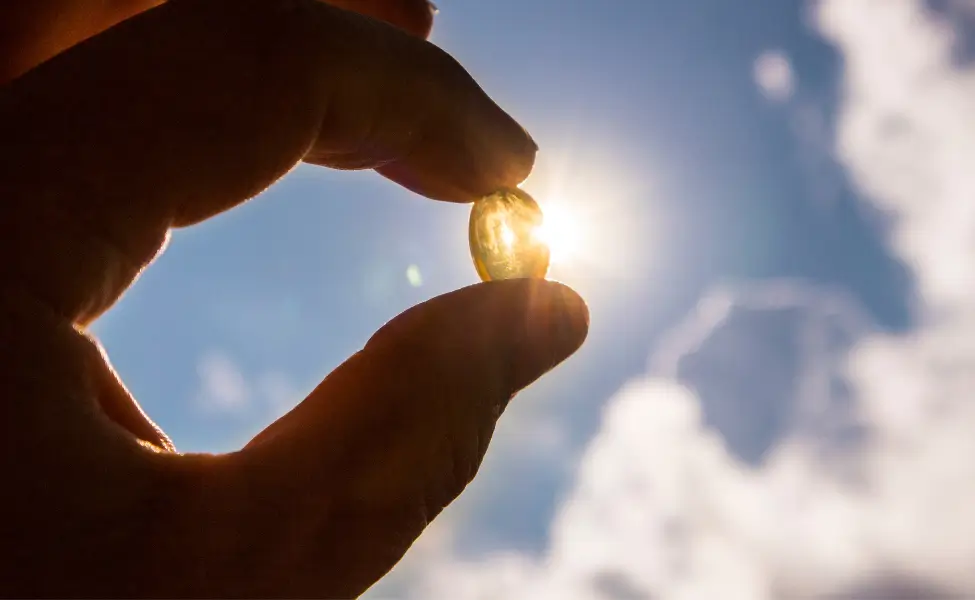
It is a practical, inexpensive way to close a gap that most women over sixty have, quietly, without realizing it.
The women I know who have paid attention to this consistently describe the same thing: a gradual return of the steadier energy they thought was simply gone for good.
Getting older does not have to mean feeling like you are running on empty.
Sometimes the smallest adjustments make the most noticeable difference, and this is one of them.
If you want more simple, practical ways to support your energy through food, my Mediterranean-inspired meal planner was built for exactly this kind of eating.
If you would like to take a look, you can explore it here.