

Your body at sixty works differently than it did at forty. That matters most in the morning. Your joints feel stiff. You wake up earlier than you want to.
Your mind might replay yesterday’s worries. Simple morning habits can change all of this. Research shows that calm morning routines lower inflammation and blood pressure. They also improve your memory.
You deserve to feel good when you start your day.
These habits respect what your body needs now. You do not need a gym membership or expensive equipment. You just need a chair, a mug, and maybe a warm shawl.
Start with two minutes. That is enough.
What if your first ten minutes could change how you feel all day?
Quick Benefits You Will Notice
These simple morning habits create real changes you will notice. Looser joints mean you can move through your house without wincing. Settled nerves help you handle family conversations with more patience.
Lasting energy lets you enjoy afternoon walks or work in your garden.
Better rest means you fall asleep faster at night. A better mood helps you find joy in your daily routines again.
Why Your Body Needs Gentle Mornings Now
Your body responds better to gentleness now than it did at thirty.
While you sleep, your nervous system repairs your tissues and balances your hormones. Harsh alarm clocks or cold showers spike your stress hormones.
This can make you feel tired and achy all day. Your body needs a softer start now.
Instead, soft signals reassure your system. Warmth from a blanket or sunlight through curtains tells muscles to relax gradually. This approach keeps your energy steady and holds onto your natural spark for what truly matters, like visiting grandchildren or tending plants. These gentle starts help your mind feel settled before the demands of the day arrive.
What Your Body Tells You Each Morning
Pay attention to clues upon opening your eyes. A stiff lower back signals you need more water. Foggy thoughts come from medication timing or room temperature.
For example, if your lower back feels stiff, you might need more water. Keep a glass on your nightstand. If your thoughts feel foggy, check if your bedroom is too warm. Most people sleep better in cooler rooms.
Wrap a light scarf around shoulders to ease tension. Slip feet into pre-warmed slippers. This keeps you warm and relaxed. Many women notice skin feels drier with time, so gentle handling keeps comfort high.
Work With Your Natural Wake-Up Time
Your sleep cycle changes as you age. You now wake up earlier than you used to. This is completely normal. Work with this change instead of fighting it.
Get natural light within thirty minutes of waking up. Ten minutes by a sunny window helps your body make vitamin D.

This supports your bones and lifts your mood. Natural light works alongside the vitamin D supplements your doctor recommends.
Avoid battling early alertness with extra sleep or strong brews. Caffeine worsens heart palpitations or anxiety in sensitive systems. Opt for decaffeinated options or mild herbal blends instead.
Your 2-Minute Starter Routine
Ready to try something that actually fits into your real life?
All of this might sound complicated. It is not. Here is the simplest possible start.
Commit to this tiny sequence first. It fits anywhere.
While still in bed, flex toes toward the ceiling ten times.
Sit up slowly and take six slow breaths. Breathe in for four counts. Breathe out for six counts.
Reach for bedside water and sip one warm mouthful.
That is all. Do this for three days in a row. Notice how you feel. Then add one more habit from this article. Build from here.
Easy Routines You Can Actually Do
Adapt each to your mobility and space. Seated versions work wonders if balance feels uncertain. If dizziness occurs when rising, stay seated longer and move gradually.
Gentle Stretches for Stiff Joints
You can start these exercises while still in bed if you want. Point your toes toward the ceiling ten times. This gets your blood moving.
Then sit up and point and flex each foot slowly.
From a supportive chair, perform these flows.
Ankle rotations mean eight circles clockwise, then counter.
Seated knee extensions mean lift one leg straight, hold three seconds, lower. Alternate five times.
Gentle torso twists mean place hand on opposite knee, turn halfway, breathe. Do three per side.
Wrist flexes mean open and close fists softly to awaken hands for daily tasks.
Which of these feels easiest for you to try tomorrow?
Incorporate a heated pad on the lap for extra soothing. Movement increases synovial fluid, lubricating joints and easing arthritis discomfort.
Simple Ways to Remember Your New Habits
Pair actions with daily cues.
Do ankle pumps while the kettle boils.
Do breathing cycles as tea steeps.
Whisper one thing you are grateful for when opening curtains.
These links make rituals automatic. Jane does her ankle pumps every morning while her coffee brews. The two-minute wait is just enough time. She does not have to remember or set a timer. The coffee maker reminds her.
Simple Breathing to Calm Your Mind
Sit in a comfortable chair with your feet flat on the floor. Put your hands on your thighs. Breathe in through your nose for four seconds. Let your belly rise as you breathe in. Pause for a moment. Then breathe out through slightly pursed lips for six seconds. Do this six times total.
Follow with a gratitude whisper. Recall one memory, a garden bloom or a kind word from yesterday. Vocalising it engages positive neural pathways, countering any overnight rumination.
Common hurdle is forgetting amid medication routines. Place a sticky note on the pillbox as a reminder. This integration turns necessity into nurture.
Check with your doctor if any new practice affects medicines, though these steps work safely for most people.
What to Drink and Eat First Thing
Dehydration can build overnight and affect how you feel. Start with eight ounces of warm water, plain or with a lemon wedge if acidity agrees.
This refreshes you gently and supports regularity.
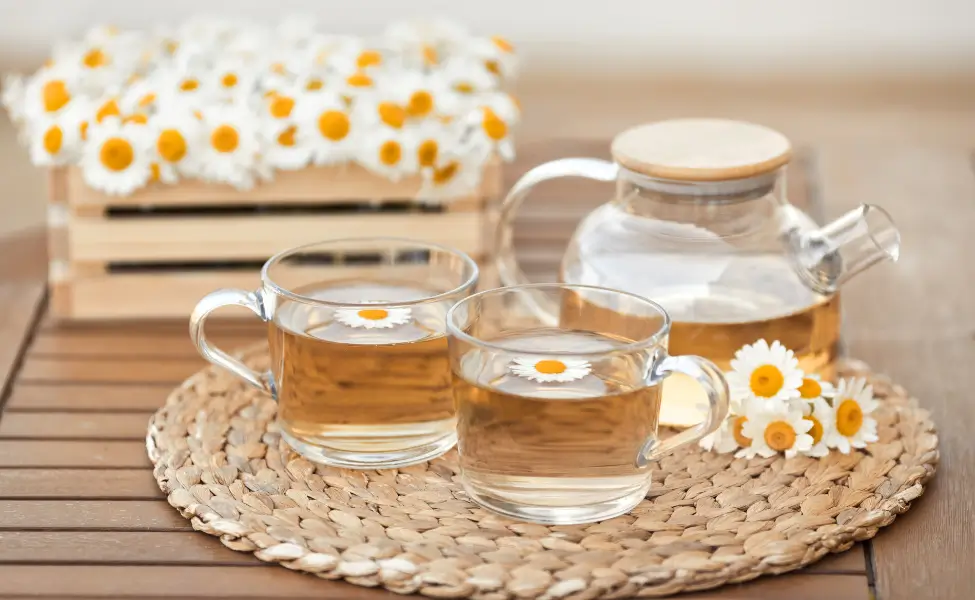
Brew chamomile or peppermint tea next.
These herbs calm digestion without stimulating jitters. Pair with oatmeal topped with berries for fibre and antioxidants that support well-being.
Mindful eating enhances enjoyment. Chew each spoonful fifteen times. Notice flavours evolving. This practice also helps portion awareness.
Sensory Touches for Emotional Warmth
Play soft classical tunes or nature sounds at low volume. Aromatherapy with lavender oil on a tissue promotes relaxation without overwhelming senses.
Read a short devotional, poem, or letter from a loved one. Keep materials bedside to avoid unnecessary steps. This starts your day with positive thoughts instead of stressful news.
Making This Work for Your Situation
If arthritis makes your fingers stiff, switch to an electric kettle with a large button. You can press it with your palm instead of gripping a handle.
If arthritis makes gripping difficult, use a mug with a wide handle. Limited vision means choose large-print books or audio recordings.
Live with others? Invite a partner to join breathing syncs. It strengthens bonds. For caregivers, perform rituals in snippets. Do ankle rolls while coffee brews.
Weather challenges mean indoor grow lights mimic sunlight benefits. Dietary restrictions mean swap lemon for cucumber slices in water.
Overcome motivation dips by pairing rituals with pleasures, like listening to a beloved radio show during stretches. Track progress in a simple calendar. Stars for completed days build momentum.
How to Make These Habits Stick
Week one focuses on consistency over perfection. Note physical sensations like warmer hands or clearer sinuses. Week two adds variety, alternating tea flavours.
Combine with evening wind-downs for compounded effects.
Start tomorrow morning with just the two-minute routine. Flex your toes ten times while still in bed. Sit up slowly and take six deep breaths. Drink some warm water. That is all. Do this for three days in a row.
Notice how you feel. Then add one more habit from this article. Small steps create big changes. You can do this.