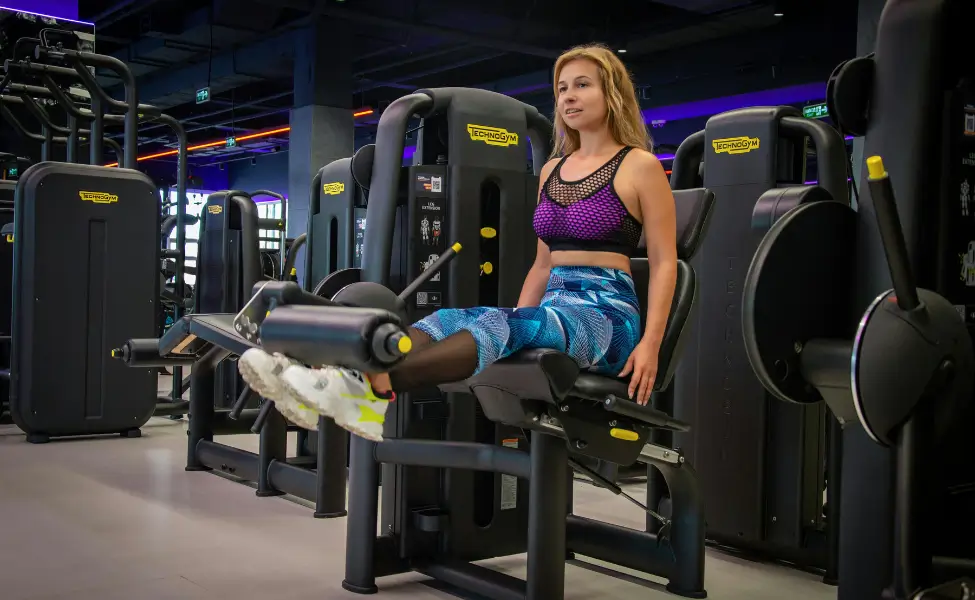

Your body wakes up stiff, tight, and bracing for the day ahead.
Five minutes of gentle movement can transform that tension into steady strength that lasts until bedtime.
Most people rush through their mornings, feeling unprepared for what is ahead. These five moves focus on spots where your body holds tension overnight, like your spine, shoulders, and hamstrings.
They help you shift from rest to activity with more ease and intention. Sometimes that is all you need.
What if five minutes could ease the stiffness and set your whole day on a better path?
Here is exactly how long each move takes and where you can do it.
Quick Time Guide
| Move | Time Needed | Where To Do It |
|---|---|---|
| Full body stretch flow | 2 to 4 minutes | Bed or chair |
| In bed stretches | 3 to 5 minutes | Bed |
| Neck and shoulder softening | 2 minutes | Bed or sitting upright |
| Cat Cow mobility | 2 to 3 minutes | Chair or floor |
| Seated hamstring stretch | 2 minutes | Bed or chair |
1) Full Body Stretch Flow to Release Overnight Stiffness
Overnight stillness often leaves your body feeling tight before you even sit up. A gentle stretch flow helps you move smoothly again without strain. You can do this right on the bed if your joints feel stiff.
You begin by lying on your back and slowly reaching your arms overhead. Stretch through your fingers and toes while taking three steady breaths. This simple action wakes up the whole body and prepares your joints for the day.
If you prefer, sit on the edge of your bed with your feet flat on the floor. Lift your arms gently to shoulder height, then reach slightly upward while keeping your shoulders relaxed.
This gives you the same lift without pressure on wrists or knees that a floor version would require.
To loosen the spine, you often find seated side bends more comfortable than downward dog. Raise one arm, lean to the opposite side, and breathe into the stretch. Repeat for the other side. This frees your ribs and waist without forcing you to get on the floor.
Hip circles can be done from a seated position too. Sit tall, place your hands on your hips, and gently move them in small circles. This helps ease morning stiffness around the pelvis and lower back.
Slow breathing throughout the sequence keeps everything calm. Your focus should be on smooth motion rather than holding deep poses. Your body responds well to gentle consistency, especially first thing in the morning.
2) In-Bed Stretches for Mornings When You Wake Up Stiff
Ever feel too stiff to even sit up when you first wake?
Some mornings you do not feel ready to stand immediately and that is completely normal. These in bed stretches work well on days when your energy feels low or your joints are reluctant to move.
You can start with belly breathing. Place your hands lightly on your abdomen, close your eyes and take five slow breaths. This helps settle your nervous system and gives your muscles a soft warm up before stretching.

A gentle spinal twist is next. Instead of dropping both knees to the side which can feel uncomfortable for some hips, try sliding one knee across your body with the other leg straight. Keep the movement small and stay within a comfortable range.
This frees tension in your lower back without strain.
To loosen the hips, bring one knee toward your chest and hold it lightly. You can rock very gently side to side if that feels soothing. Switch legs and notice if one side feels tighter than the other. This helps you tune into your body without pressure.
Flexing and circling your ankles wakes up the muscles that support balance. Many women find this helpful because stiff ankles cause slower reflexes when walking.
These gentle movements help you transition from rest to activity at a comfortable pace which makes the whole morning feel easier.
3) Neck and Shoulder Moves to Release Tension Without Strain
Neck and shoulder tightness is extremely common, especially after sleeping in the same position for hours. Instead of circular neck rolls that can pinch nerves, try small controlled movements.
They protect your neck better and give you more relief.
Start by tilting your head slightly to the right, feeling a soft stretch along the left side of your neck. Hold briefly, then switch sides. Follow with a gentle look down stretch, tucking your chin toward your chest, then returning to neutral.
Shoulder softening comes next. You lift both shoulders slightly, hold for a moment, then lower them slowly while exhaling. This relaxes the upper back and releases tension that often leads to headaches.
Adding slow shoulder circles forward and back warms the joints and encourages better posture. Many women find this helpful because it prepares the shoulders for daily tasks such as carrying a bag, lifting groceries or supporting themselves during walks.
These movements need not be large. Moving slowly and within your comfort range protects your neck while still giving you relief from tension.
Once your neck and shoulders feel looser, turn your attention to your spine.
4) Cat Cow Movement to Wake Up Your Spine
Cat Cow is a wonderful pattern for waking up the spine, but it does not have to be done on the floor. Many women prefer a chair version because it is easier on the wrists and knees and still offers all the benefits.
Sit near the edge of a sturdy chair with your feet flat on the ground. Place your hands on your thighs. As you inhale, lift your chest and gently arch your back, opening the front of your body.
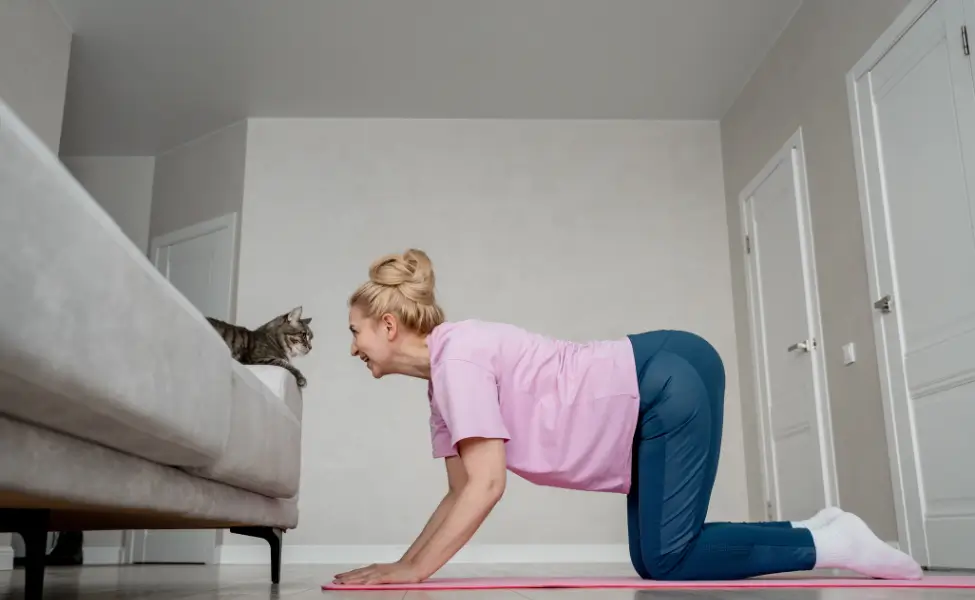
As you exhale, round your spine slightly and draw your belly in. Repeat this gentle wave several times.
This movement frees stiff vertebrae and supports better posture. It also activates the core muscles that keep you stable throughout the day. The rhythm creates a natural ease that carries into walking and bending.
If you prefer the traditional version on hands and knees and your joints allow it, place folded towels under your knees for cushioning. Move slowly and keep your range small. Your spine benefits from the motion, not the depth.
Cat Cow is especially helpful after nights of shallow sleep or long days spent sitting. Your back will thank you for this one.
5) Seated Hamstring Stretch to Improve Balance and Walking Comfort
Hamstrings tend to tighten overnight, which makes walking feel heavier and affect balance. Seated stretches are joint friendly and safe for almost everyone.
Sit on a chair with one leg extended and your heel resting on the floor. Instead of reaching for your toes, lean forward slightly from the hips while keeping your back straight. You can rest your hands on your thigh or knee for support. This protects your spine and still gives a meaningful stretch.
Hold for fifteen to thirty seconds, breathing steadily. Switch sides and notice how the stretch feels different in each leg. Your flexibility changes from day to day. This is completely normal.
If you want a gentler version, keep the stretch shorter and use a cushion under your knee. If you want a stronger stretch, lean a little further forward, but always within a comfortable range.
This simple move supports walking comfort, reduces the risk of small stumbles and helps you feel looser throughout the day.
A Quick Note on Strength
These stretches are the perfect way to start your day, loosening what tightened up overnight and preparing your body to move with more ease. But stretching alone does not build strength; your muscles need something to push against for that. If you have not read it yet, Your Muscles Are Changing After Sixty explains exactly what that looks like, and it does not require a gym either.
A Calm Close to Your Morning
You do not need a long routine to feel steadier and more comfortable in your body. These simple movements give you a gentle start that builds confidence and ease for the rest of the day.
Which move will you try first tomorrow morning?
Pick one or two and let them set the tone. A small moment of care can shape the whole day.