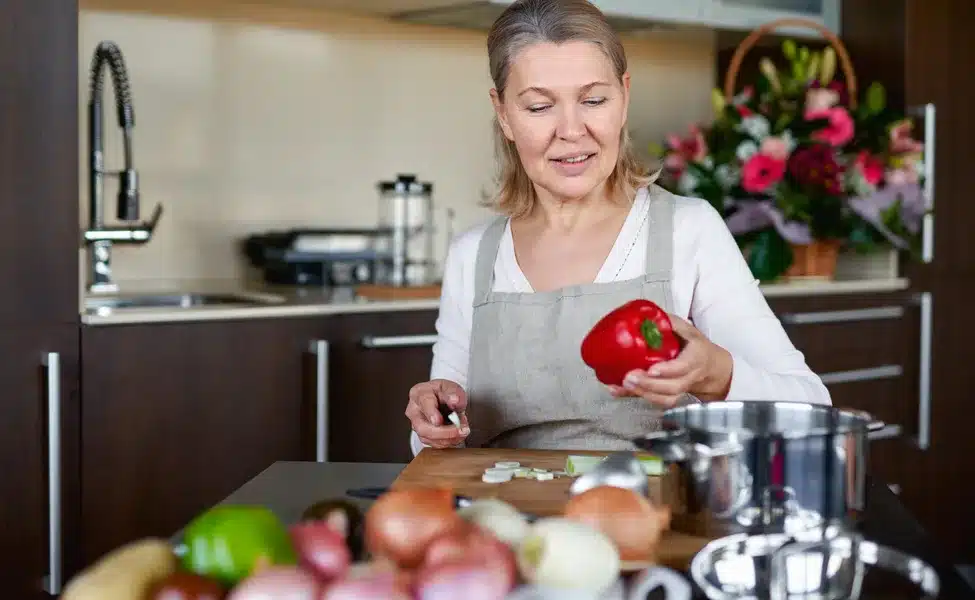

Your daily choices shape how you age. Small habits can fuel contentment, strength and resilience as the years pass. These practices build inner strength and vitality.
They help you handle challenges with more ease. With age comes wisdom, but also new needs, new rhythms and new priorities. The habits here are shaped with that in mind.
What small change could make the biggest difference in your daily life?
Quick Reference: Habit Builder Guide
| Habit | Time Commitment | Starter Tip |
|---|---|---|
| Gratitude | 2 minutes daily | Note one sensory joy like a fresh scent. For example, the smell of coffee brewing, the warmth of morning sun on your face, or the sound of birds outside your window. |
| Checkups | Annual plus prep | List key questions ahead for discussion |
| Learning | 10 minutes daily | Pair with morning tea for relaxed focus |
| Connections | 10 minutes daily | Schedule one reach out to a close friend |
| Activity | 30 minutes most days | Walk with a podcast to blend movement and ideas |
Layer one habit weekly and notice how they link together and amplify your sense of ease through the seasons.
Gratitude: A Simple Shift to Daily Ease
When did you last pause to notice something good in your day?
Morning Anchor
You might find it calming to begin the day with a short pause to notice three small comforts. Perhaps the warmth of a morning brew, the softness of your slippers or the quiet sigh you release before everything begins.

This simple act gently trains your mind to notice what is steady and good. This softens stress and builds emotional steadiness over time.
Evening Reflection
As your days continue, these notes make you more aware of the pleasant moments that often pass unnoticed. Sunlight catching the edge of your curtain.
A message from a grandchild. A simple conversation that leaves you lighter. You may wish to share one of these moments with someone close once a week. It adds warmth to your routine and deepens the connection.
A small phone app works just as well as a notebook. Choose whichever feels easier. The key is rhythm rather than perfection. Many women report fewer dips in mood once this becomes part of daily life.
Gratitude builds emotional strength. Your physical health deserves the same attention.
Health Checkups: Your Annual Tune Up
Build Baselines Early
Book an annual review with your doctor. This creates a reliable picture of your health as the years progress.
Blood pressure checks, cholesterol reviews and basic labs show trends before they become concerns. Knowing your baseline helps you adjust gently rather than react later.
Add Key Screens at Forty
If you are past forty, doctors now recommend mammograms yearly or every other year for many women. Recent guidance places the starting line at forty for average risk.
Talking openly about your family history helps decide what suits you best. It may lead to earlier scans if relatives faced breast cancer at a young age.

Mental wellbeing checks also matter. If you notice changes in sleep, mood or energy, share them. Providers can spot patterns and offer support.
Treat these visits like annual resets. They keep your energy steady and keep small issues from growing.
Skipped a checkup recently? Set a reminder right now. Pair the appointment with a little treat like a favourite tea afterwards. It softens the feeling of obligation and makes the whole routine easier to maintain.
While learning keeps your mind sharp, connections keep your heart full.
Keep Learning: Spark Your Sharp Mind
You might enjoy exploring small new skills that sharpen your thinking. Ten minutes with a language app can brighten the morning. Apps like Duolingo or Babbel make this easy.
Even five new Spanish words each morning gives you a sense of progress. New phrases sharpen memory and bring a sense of progress, even on quiet days.
Creative pastimes also support mental agility. Sketch what you see from your window, or try a few simple guitar chords.
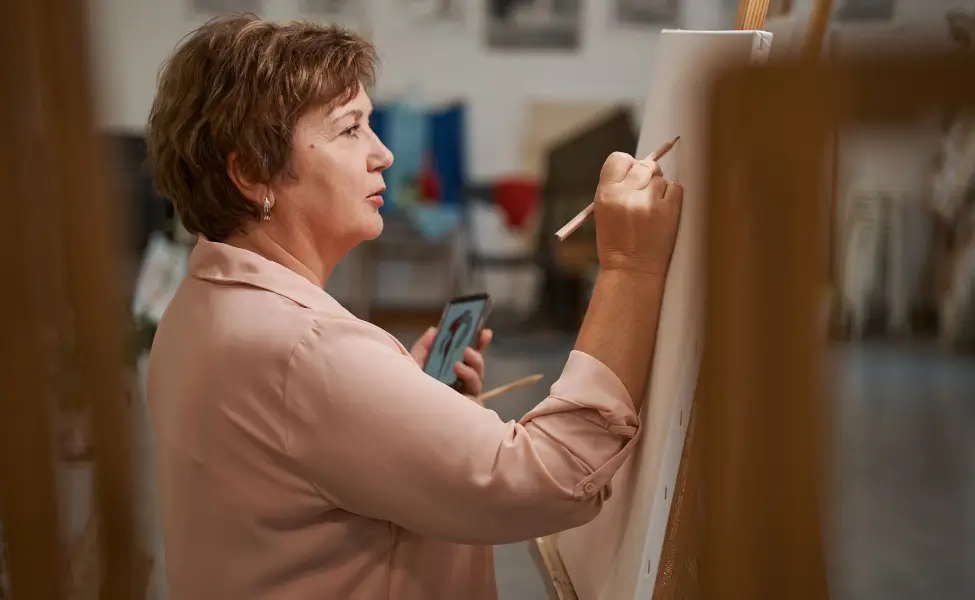
These tiny challenges activate your hands and sharpen your mind. Novel experiences slow cognitive decline. This benefit matters most after midlife.
Local groups often add an uplifting social layer. A cooking session, a talk at a library or a gentle craft class can be both engaging and friendly. Many women in their sixties and seventies find that shared learning brings a steady lift to their weeks.
Unsure where to begin? List three interests tonight. Pick one tomorrow and try a short free tutorial. Progress feels easier when it matches your natural pace.
Stay Connected: Build Bonds That Lift You Up
Making time for small interactions often brings more comfort than grand gestures. You might send a short message midweek and follow it with a ten minute call. Hearing a familiar voice and sharing a small laugh lifts your mood more than you might expect.
If you are looking to widen your circle, consider gentle service activities. For instance, you could volunteer at a local food bank one morning a month, join a community knitting circle, or help organise books at your library.
Reading with children at a library or lending a hand in a community garden creates easy ways to make friends. These settings help bonds grow slowly and naturally. Many women prefer this gentle pace.
Old relationships deserve tending too. A quarterly stroll with a long time friend can rebuild warmth and trust. These conversations often feel grounding, especially during seasons of change.
If fatigue makes social plans feel heavy, alternate with lighter options. A short video share or a simple voice message can keep the thread intact without draining your energy.
Move Your Body: Build Lasting Strength
Does movement feel like a chore or a gift to yourself?
You might enjoy a brisk half hour walk on most days. If that feels long, three ten minute loops work just as well. This simple routine supports your heart, steadies your joints and gives your mood a noticeable lift.
Add gentle yoga twice a week. Poses like the tree or warrior strengthen balance and confidence.
If balance feels uncertain, try chair variations. They work surprisingly well. Breathing slowly during these moments softens tension. It also helps you rest better that night.
Movement does not need to feel like exercise to count. Gardening for twenty minutes counts. So does playing with grandchildren, walking through a museum, or stretching while you watch television.
Dancing in the kitchen, cycling a short local path or following a simple seated routine can all lift your energy. Track your steps if you enjoy it. Celebrate your progress instead of pressuring yourself.
If your joints feel sore, choose softer surfaces, slower paces or shorter sessions. With consistency, even the smallest movements compound into greater strength.
Combine Habits for Greater Impact
These habits work well together. A walk with a friend lifts both mood and mobility. Reviewing a new skill during your gratitude reflection links mind and emotion. Small changes reinforce one another without extra effort.
On busy days, adjust without guilt. Swap a reading session for an audiobook on a commute. Prepare checkup questions during your monthly calendar review. Gentle scaling keeps everything sustainable.
At the end of each month, jot down what felt easier and what brought joy. These notes help you refine the habits without losing momentum.
Start Small When Motivation Drops
When motivation dips, tie each habit to something pleasant. A favourite song before yoga. A warm drink before writing. One slow breath before a meal to reset your focus.
If time feels tight, reduce each habit to its smallest possible version. One sentence of gratitude. One slow stretch. One friendly message to someone you care about.
For days when energy is low, choose seated activities, short meditations or quiet creative tasks. These still support your wellbeing and keep the rhythm alive.
Choose one habit to start tonight. Your future self will thank you. Small shifts often lead to lasting strength.